Exploring the Impact of Financial Literacy on Personal Well-being
The connection between financial literacy and overall well-being.
Financial literacy is increasingly recognized as a cornerstone of personal well-being, influencing not just financial outcomes but also overall quality of life. In a world where financial decisions can have profound impacts on an individual’s mental health and social standing, understanding the principles of personal finance is paramount. This article delves into the ways financial literacy contributes to better financial choices, ultimately enhancing personal happiness and stability.
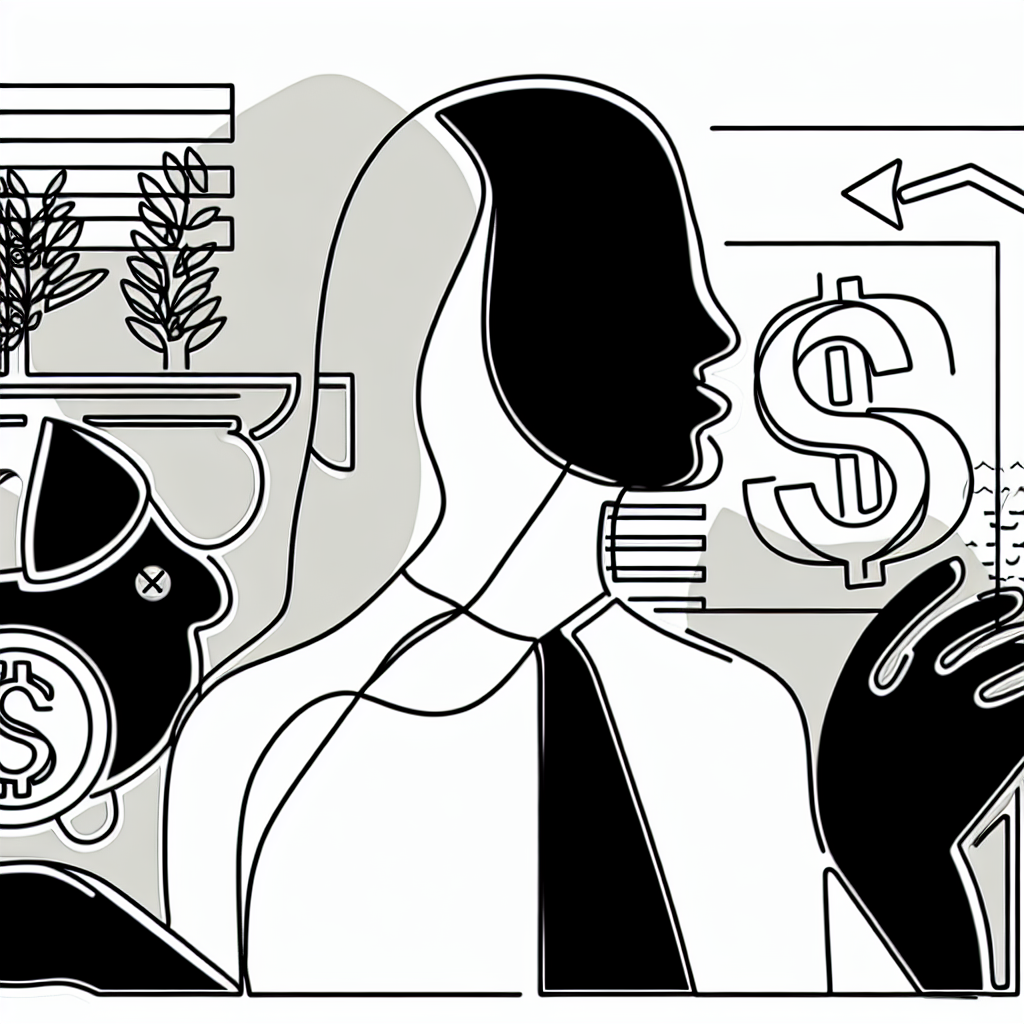
The Role of Financial Literacy in Decision-Making
Research indicates that individuals with a higher level of financial literacy tend to make more informed and beneficial financial decisions. This understanding extends beyond basic budgeting; it encompasses knowledge about investments, savings, debt management, and the implications of financial products. For instance, individuals who grasp the nuances of interest rates are better equipped to navigate loans and credit, potentially saving significant amounts over time. Furthermore, financial literacy empowers individuals to weigh their options carefully, allowing for a more strategic approach to spending and saving.
Evidence suggests that financial literacy can also mitigate stress related to money management. When individuals understand their finances, they may experience less anxiety about financial obligations and future uncertainties. This reduced stress can enhance mental well-being, leading to a more fulfilling and happy life. Moreover, educated consumers are more likely to engage in positive financial behaviors, such as saving for emergencies and investing for the future, contributing to long-term financial security.
Financial Literacy and Economic Stability
The connection between financial literacy and personal well-being extends to broader economic implications. Communities with higher overall financial literacy rates often exhibit greater economic stability. When citizens are well-informed about financial matters, they are less likely to fall into cycles of debt and financial distress, which can lead to broader societal issues such as increased poverty rates and reduced economic mobility.
Moreover, financial literacy can stimulate local economies. Individuals equipped with financial knowledge tend to spend and invest more wisely, fostering growth and stability within their communities. This interconnectedness illustrates how personal financial education not only enhances individual well-being but also contributes to the economic fabric of society as a whole.
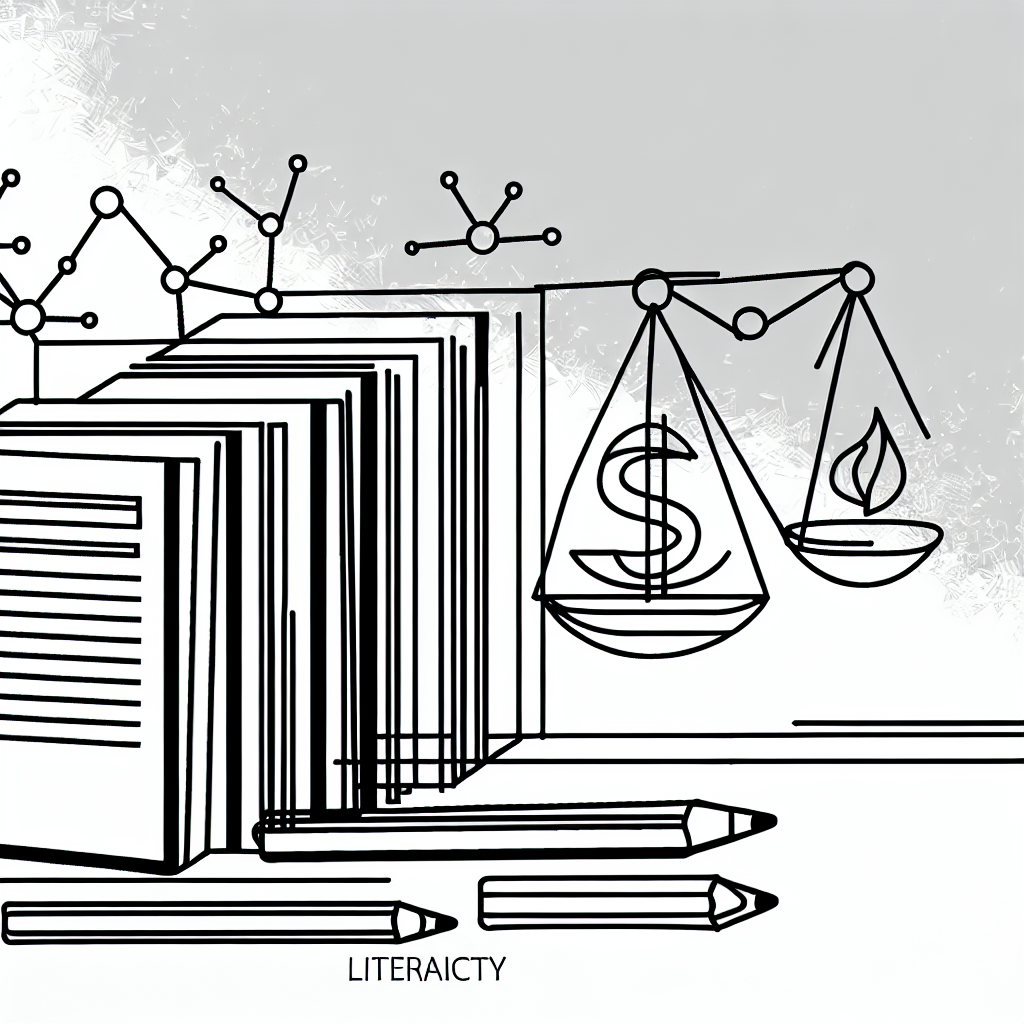
Enhancing Financial Literacy: Strategies and Resources
To foster financial literacy, various strategies and resources can be employed. Educational programs targeting different demographics are crucial; financial literacy workshops in schools, community centers, and workplaces can provide individuals with the tools they need to navigate their financial lives effectively. Additionally, online resources, such as interactive budgeting tools and educational blogs, can serve as valuable platforms for ongoing financial education.
Furthermore, engaging in discussions about money with family and friends can help demystify financial concepts and encourage a culture of financial awareness. Sharing experiences and strategies can empower individuals to take charge of their financial futures, reinforcing the notion that financial literacy is not just an individual pursuit, but a communal effort as well.
The Emotional Aspect of Financial Literacy

Interestingly, the impact of financial literacy on emotional well-being cannot be understated. Individuals who are financially literate often report feeling more in control of their lives, which contributes to a positive self-image and greater confidence. The psychological benefits of financial knowledge can lead to improved relationships, as financial stress is a common source of conflict among couples and families. By addressing financial literacy, individuals can reduce tensions and foster healthier interactions regarding money matters.
Additionally, financial literacy can play a crucial role in breaking generational cycles of poverty. By equipping younger generations with the knowledge and skills to make sound financial decisions, families can create a legacy of financial understanding that transcends socioeconomic barriers. This shift not only impacts individual families but also has the potential to uplift entire communities over time.