Exploring the Basics of Personal Budgeting
A guide to mastering personal budgeting.
Personal budgeting is a fundamental skill that empowers individuals to take control of their financial futures. It involves tracking income and expenses to create a clear picture of one’s financial situation. By mastering the basics of personal budgeting, you can make informed decisions about spending, saving, and investing. This guide will cover essential principles and practical tips to help you create and maintain an effective budget that aligns with your financial goals.
Understanding the intricacies of budgeting is crucial for fostering financial well-being.
What is Personal Budgeting?
Personal budgeting is the process of creating a plan to manage your finances by outlining expected income and expenses over a specified period. This practice helps individuals allocate their resources wisely, ensuring they can cover necessary costs while also setting aside funds for savings and investments. The core components of personal budgeting typically include income sources, fixed expenses, variable expenses, savings, and discretionary spending.
A well-structured budget not only helps in tracking expenditures but also provides insight into spending habits and areas where adjustments can be made.
Having a clear budget can lead to enhanced financial stability, reduced stress, and a better understanding of one’s financial landscape. It encourages accountability and allows individuals to prioritize their financial goals, whether that means saving for a vacation, planning for retirement, or paying off debt.

The Importance of Setting Goals
Establishing financial goals is a crucial step in the budgeting process. Goals can be short-term, such as saving for a new gadget or a weekend getaway, or long-term, like buying a house or funding a child’s education. Setting specific, measurable, achievable, relevant, and time-bound (SMART) goals can significantly enhance your budgeting efforts. This structured approach ensures that your financial aspirations are clear and attainable.
Having defined goals creates motivation and provides a sense of direction. By aligning your budget with these goals, you can allocate funds more effectively. For instance, if you aim to save for a home, your budget should reflect this priority, directing more resources into a dedicated savings account. Moreover, tracking progress toward these goals can offer encouragement and reinforce positive financial behaviors.
Creating Your Budget
Developing a budget begins with gathering all necessary financial information. Start by listing your total income from all sources, including salary, freelance work, and any passive income. Next, categorize your expenses into fixed costs—like rent or mortgage, utilities, and insurance—and variable costs, which might include groceries, entertainment, and dining out. An accurate assessment of these elements provides the foundation for your budget.
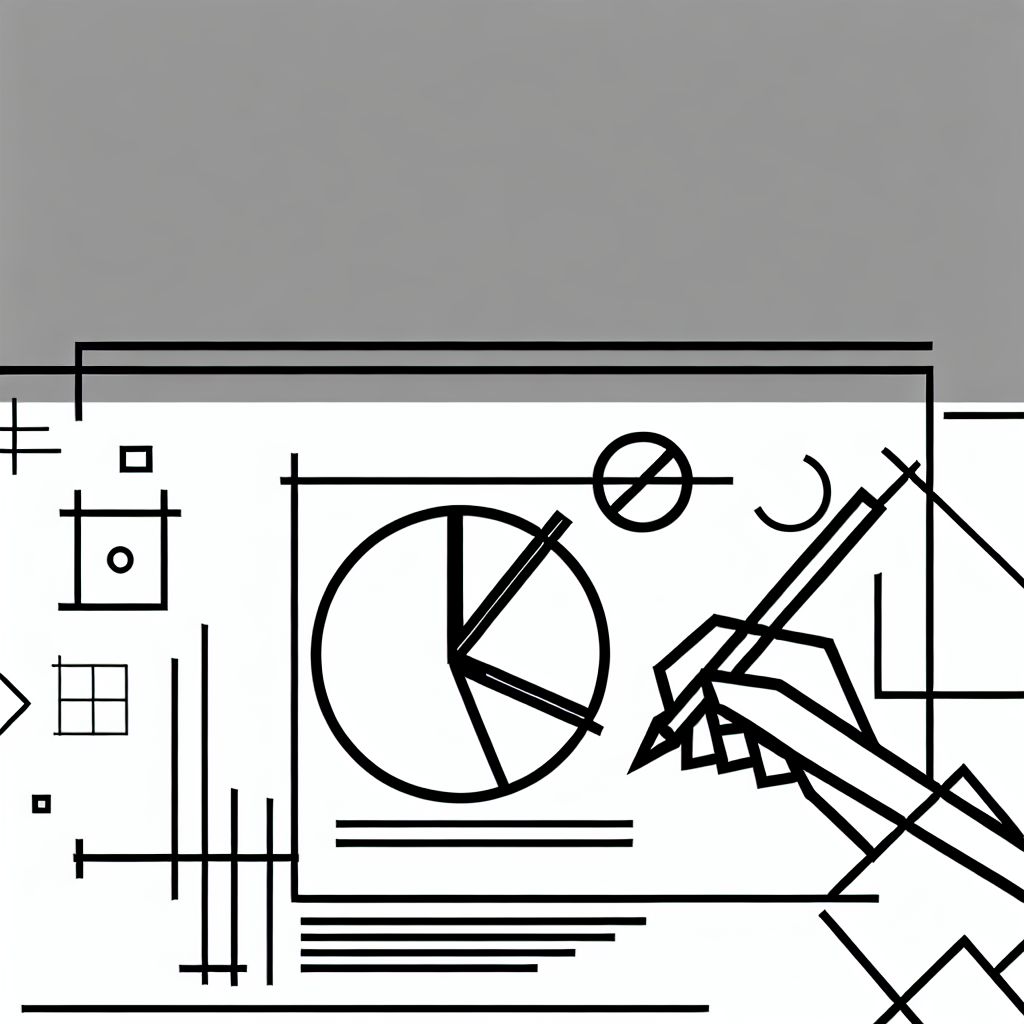
Once you have a comprehensive view of your income and expenses, you can start allocating funds based on your financial goals. Many individuals find it helpful to use budgeting tools or apps that can simplify this process. These resources often provide visual representations of your budget, making it easier to see where your money is going and where adjustments may be needed.
Effective budgeting requires regular reviews and adjustments. Life circumstances change, and so should your budget.
By revisiting your budget periodically, you can ensure it remains aligned with your current financial situation and goals. This practice not only maintains accountability but also allows for flexibility in response to unexpected expenses or changes in income.
Common Budgeting Challenges
While budgeting can be a powerful tool, it’s not without its challenges. Common pitfalls include underestimating expenses, failing to account for irregular costs, or becoming discouraged by initial setbacks. Many people also struggle with impulse spending, which can derail even the most well-planned budgets.
To overcome these challenges, it’s essential to maintain a realistic perspective. Acknowledge that budgeting is a process that may require adjustments and learning from mistakes. For instance, if you find that your budget does not accommodate certain irregular expenses, consider setting aside a small amount each month to build a cushion for these costs.
Additionally, developing strategies to curb impulse spending can be beneficial. Techniques such as the 24-hour rule—waiting a day before making non-essential purchases—can help in making more mindful financial decisions.
The Role of Savings and Emergency Funds
An effective budget should always include a savings component. Saving for emergencies is crucial, as unexpected expenses can arise at any time—be it a medical emergency or a necessary home repair. Financial experts typically recommend having at least three to six months’ worth of living expenses saved in an emergency fund. This practice not only provides a safety net but also minimizes the need to rely on credit in times of crisis.
Incorporating savings into your budget can seem daunting, but even small contributions can add up over time. Automating savings transfers to a separate account can make the process smoother, ensuring that you prioritize saving without having to think about it actively.
In addition to an emergency fund, consider setting aside money for long-term goals, such as retirement or significant life events. By treating savings as a non-negotiable expense in your budget, you are actively working toward financial security.