Navigating Changes in Personal Finance Regulations
What consumers should be aware of in evolving regulations.
Recent changes in personal finance regulations are reshaping the landscape for consumers, compelling them to stay informed about their financial rights and responsibilities. As various laws and policies evolve, the implications for everyday financial decisions become increasingly significant. This article aims to illuminate these changes and provide a comprehensive overview of what consumers should be aware of regarding personal finance regulations.
As consumers, understanding these regulations can empower individuals to make informed financial decisions.
Understanding Recent Regulatory Changes
The realm of personal finance regulations has witnessed significant transformations in recent years. These shifts are often driven by technological advancements, economic pressures, and a growing emphasis on consumer protection. For example, the rise of digital banking and fintech apps has prompted regulators to ensure that these platforms adhere to established financial laws. This is crucial in maintaining consumer trust and safeguarding personal information.
“Consumer protection is not just about compliance; it’s about building trust in the financial system.”

One of the notable changes includes stricter guidelines on data privacy and security. The introduction of regulations such as the General Data Protection Regulation (GDPR) in Europe has set a precedent for how companies handle consumer data. In the U.S., similar frameworks are being proposed to enhance transparency and accountability among financial institutions. As these regulations evolve, consumers should actively seek to understand how their data is being used and what rights they have regarding its protection.
Moreover, the Consumer Financial Protection Bureau (CFPB) has been instrumental in implementing measures that protect consumers from unfair practices. This includes oversight of loans, credit cards, and other financial products. Such regulations are designed to ensure clarity and fairness in financial transactions, making it essential for consumers to be aware of their implications.
Implications for Consumer Behavior
The changes in personal finance regulations have far-reaching implications for consumer behavior. With an increased awareness of their rights, consumers are likely to approach financial products with a more critical eye. For instance, before signing a loan agreement or opening a new credit account, individuals are encouraged to thoroughly review the terms and conditions.
This heightened scrutiny can lead to better financial choices, as consumers become more discerning about fees, interest rates, and repayment terms. Additionally, research suggests that informed consumers are less likely to fall victim to predatory lending practices. As a result, the evolving regulatory landscape can foster a more educated consumer base that actively seeks out beneficial financial products.
Furthermore, as financial institutions adapt to these regulations, they may offer more transparent services. For instance, clearer disclosures regarding fees and risks associated with financial products can help consumers make more informed decisions. This shift represents a positive development, as consumers can now engage with their finances more confidently.

The Role of Financial Education
As personal finance regulations evolve, the need for financial education becomes increasingly critical. Consumers must not only be aware of their rights but also understand the implications of existing regulations on their financial situations. Financial literacy programs can play a vital role in bridging this knowledge gap.
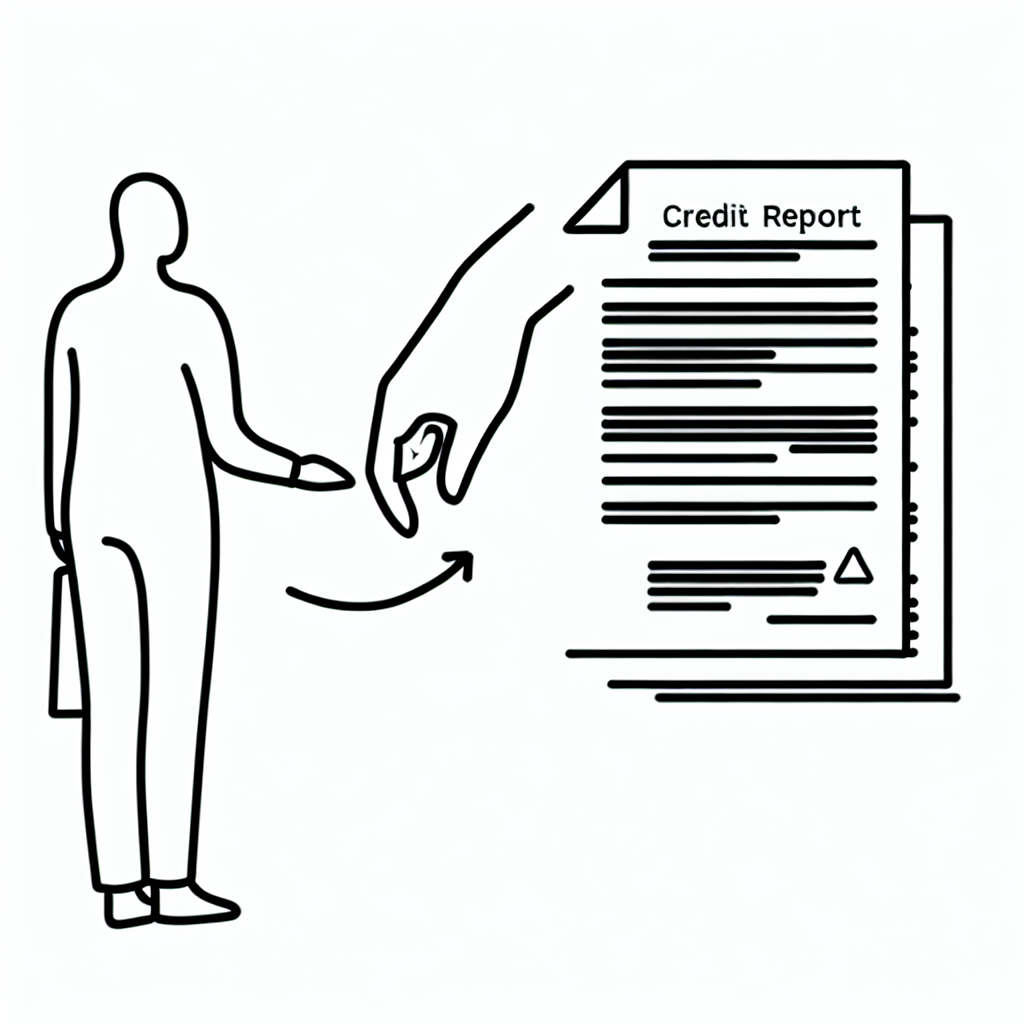
By educating individuals about personal finance regulations, these programs empower consumers to advocate for themselves effectively. For example, understanding the nuances of credit scores, loan agreements, and consumer rights can significantly impact one’s financial well-being. Furthermore, communities that emphasize financial education tend to exhibit lower instances of debt-related issues and financial stress.
“Financial education is a powerful tool that can help consumers navigate complex financial landscapes.”
Organizations and institutions must prioritize financial literacy initiatives to ensure that consumers are equipped to navigate the evolving regulatory environment. This proactive approach can foster a culture of informed financial decision-making, ultimately benefiting both consumers and the broader economy.
Future Trends in Personal Finance Regulations

Looking ahead, several trends are likely to shape the future of personal finance regulations. One of the most prominent is the push towards greater financial inclusion. Regulatory bodies are increasingly focused on ensuring that underrepresented and marginalized groups have access to fair and equitable financial services. This includes initiatives aimed at reducing barriers to entry for low-income individuals and communities.
Moreover, as technology continues to advance, regulations will likely shift to accommodate new financial innovations. This could involve the integration of blockchain technology, which promises enhanced security and transparency in financial transactions. Regulators may need to adapt their frameworks to address the unique challenges and opportunities presented by such technologies.
In addition, the growing emphasis on sustainability and ethical finance is expected to influence regulatory approaches. As consumers become more socially conscious, regulations may evolve to support environmentally friendly financial practices. This paradigm shift not only reflects consumer preferences but also acknowledges the broader impact of finance on society and the planet.
Conclusion
Navigating the changes in personal finance regulations is essential for consumers seeking to make informed financial decisions. By understanding the implications of these regulations and the importance of financial education, individuals can empower themselves in their financial journeys. As the landscape continues to evolve, staying informed will be key to harnessing the benefits of regulatory shifts while safeguarding personal financial interests.