Establishing a Comprehensive Budgeting Framework
Step-by-step guide for effective budgeting.
Creating a comprehensive budgeting framework is essential for anyone aiming to achieve their financial goals. This guide delves into the step-by-step process of establishing a personalized budget that not only reflects your income and expenses but also aligns with your broader financial aspirations. By understanding the intricacies of budgeting and money management, individuals can gain better control over their finances, ensuring they are equipped to make informed decisions that lead to lasting financial health.
Budgeting is not just a meticulous exercise in tracking numbers; it represents a pathway to financial empowerment. A well-structured framework allows you to visualize your current financial situation and plan intelligently for the future.
Understanding Your Financial Landscape
Before diving into the budgeting process, it is crucial to assess your current financial landscape. This means gathering all relevant financial information, including income sources, monthly expenses, debts, and savings. By having this comprehensive view, you can identify areas that require attention.
In this initial assessment, important terms such as fixed expenses (like rent or insurance) and variable expenses (such as groceries or entertainment) should be clearly defined. Understanding the distinction between these categories will enable you to allocate your funds more effectively.
“A budget is more than just a list of your income and expenses; it is a reflection of your values and priorities.”

Once you have a clear picture of your financial situation, the next step is to categorize your expenses. Consider creating a spreadsheet or using budgeting software to help visualize where your money is going each month. This practice not only highlights spending habits but also reveals potential areas for savings or adjustments.
Setting Clear Financial Goals
With a comprehensive understanding of your finances, you can now set clear financial goals. Goals should be specific, measurable, attainable, relevant, and time-bound (SMART). For example, rather than simply stating, “I want to save more money,” a more effective goal would be, “I aim to save $5,000 for a down payment on a house within the next two years.”
Establishing a timeline for your goals is equally important. Short-term goals, such as building an emergency fund, might take precedence over long-term aspirations like retirement savings. However, ensuring that you allocate funds toward a variety of goals can provide a sense of balance in your budgeting framework.
As you outline your goals, remember to consider both necessities and wants. While it’s essential to account for essentials like housing and food, indulging in personal interests such as travel or hobbies can enhance your quality of life, provided they are budgeted for appropriately.
Creating Your Budget

Now that you have a clear understanding of your finances and goals, you can begin crafting your budget. Start by determining your total monthly income, which includes salaries, bonuses, and any other earnings. Next, list all your monthly expenses, organized into your predefined categories.
Deduct your total expenses from your income to determine your net income. If your expenses exceed your income, adjustments are necessary. This may involve cutting back on discretionary spending, finding cheaper alternatives for services, or increasing your income through side jobs or freelance work.
It is also beneficial to implement the 50/30/20 rule as a guideline for allocating your income: allocate 50% to needs, 30% to wants, and 20% to savings or debt repayment. While this rule is flexible, it provides a general framework that can simplify the budgeting process.
Monitoring and Adjusting Your Budget
Establishing your budget is just the beginning; ongoing monitoring and adjustments are crucial to its success. Regularly review your budget to ensure it reflects changes in income or expenses and aligns with your financial goals. Monthly check-ins can help you stay on track and identify any deviations early.
Use budgeting tools or apps to help track your progress. Many of these tools provide insights into spending habits and can alert you when you approach your limits in various categories. This proactive approach can help you remain accountable for your financial behavior.
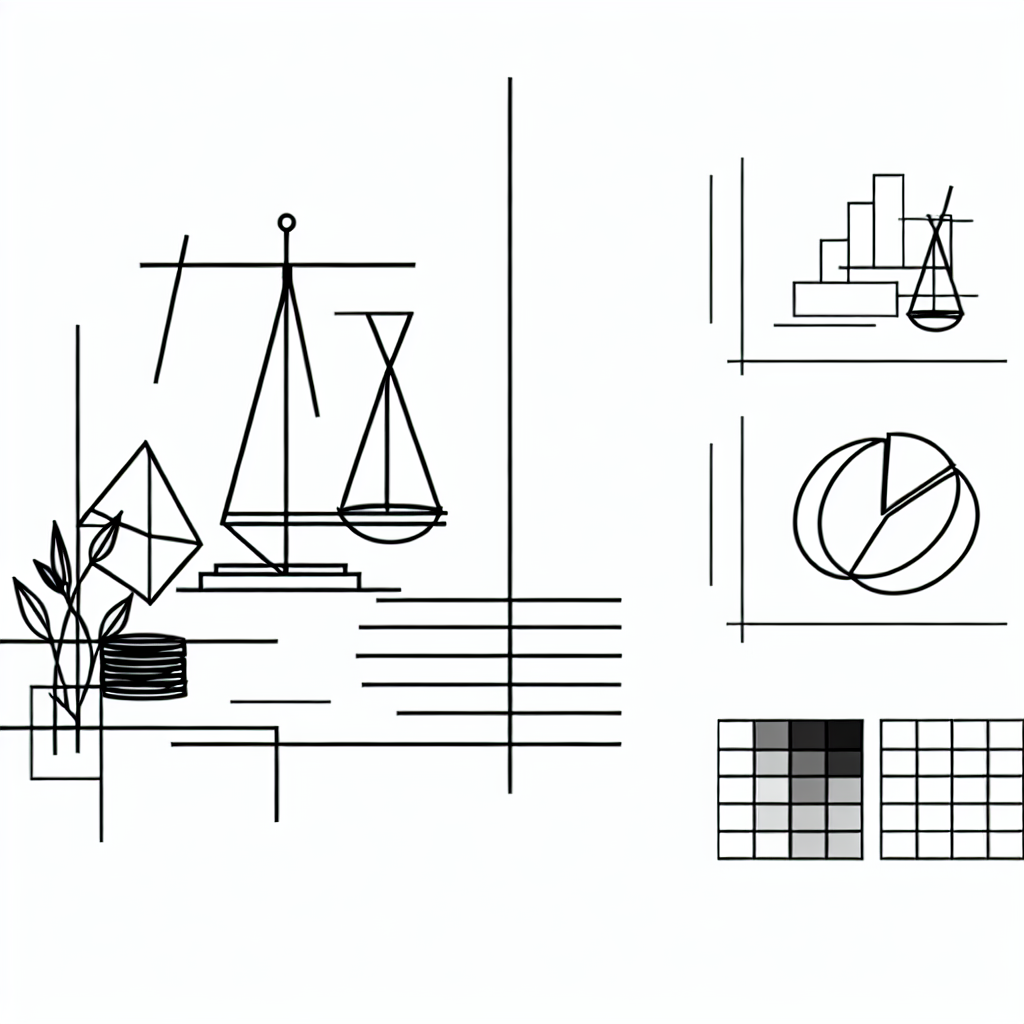
“Budgeting is not a one-time task; it is a continuous process that evolves as your financial situation changes.”
Additionally, be prepared to make adjustments as necessary. Life circumstances, such as a job change or unexpected expenses, may require you to revise your budget. Flexibility is key to maintaining a realistic and effective budgeting framework.
Building Financial Resilience
Ultimately, a solid budgeting framework contributes to financial resilience. By sticking to your budget and consistently working toward your financial goals, you create a buffer against unforeseen financial challenges. This resilience empowers you to make confident decisions regarding investment opportunities, savings strategies, and debt management.
Furthermore, educating yourself about financial principles and staying informed about personal finance trends can enhance your capability to navigate complex financial landscapes. The more you engage with your financial situation, the more adept you will become at managing it effectively.