Creating Effective Savings Strategies
Techniques for building a sustainable savings plan.
In an increasingly complex financial landscape, the importance of effective savings strategies cannot be overstated. Establishing a sustainable savings plan is crucial for achieving long-term financial goals, whether it be for emergencies, retirement, or significant life events such as buying a home or funding education. This article aims to provide a detailed, step-by-step approach to creating a savings strategy that aligns with your unique financial aspirations.
Understanding Your Financial Goals
The foundation of any successful savings strategy begins with a clear understanding of your financial goals. Taking the time to define what you want to achieve is essential. These goals can vary greatly from person to person; some may prioritize short-term objectives like saving for a vacation or a new vehicle, while others may focus on long-term aspirations such as retirement or investment in property.
Research indicates that individuals who set specific, measurable, achievable, relevant, and time-bound (SMART) goals are often more successful in their savings endeavors. This structured approach helps to create a roadmap for your savings journey. Consider breaking down larger goals into smaller, manageable milestones. For instance, if your ultimate goal is to save $20,000 for a home down payment within five years, you might set an interim goal of saving $4,000 each year.
Having a clear picture of your goals not only helps in motivation but also allows you to tailor your savings strategy effectively. When you understand what you’re saving for, it becomes easier to make sacrifices in your spending habits and prioritize your savings.
Assessing Your Current Financial Situation
Once your goals are defined, the next step involves a comprehensive assessment of your current financial situation. This process requires a deep dive into your income, expenses, debts, and existing savings. Understanding these components will provide a clearer picture of how much you can realistically allocate towards your savings each month.
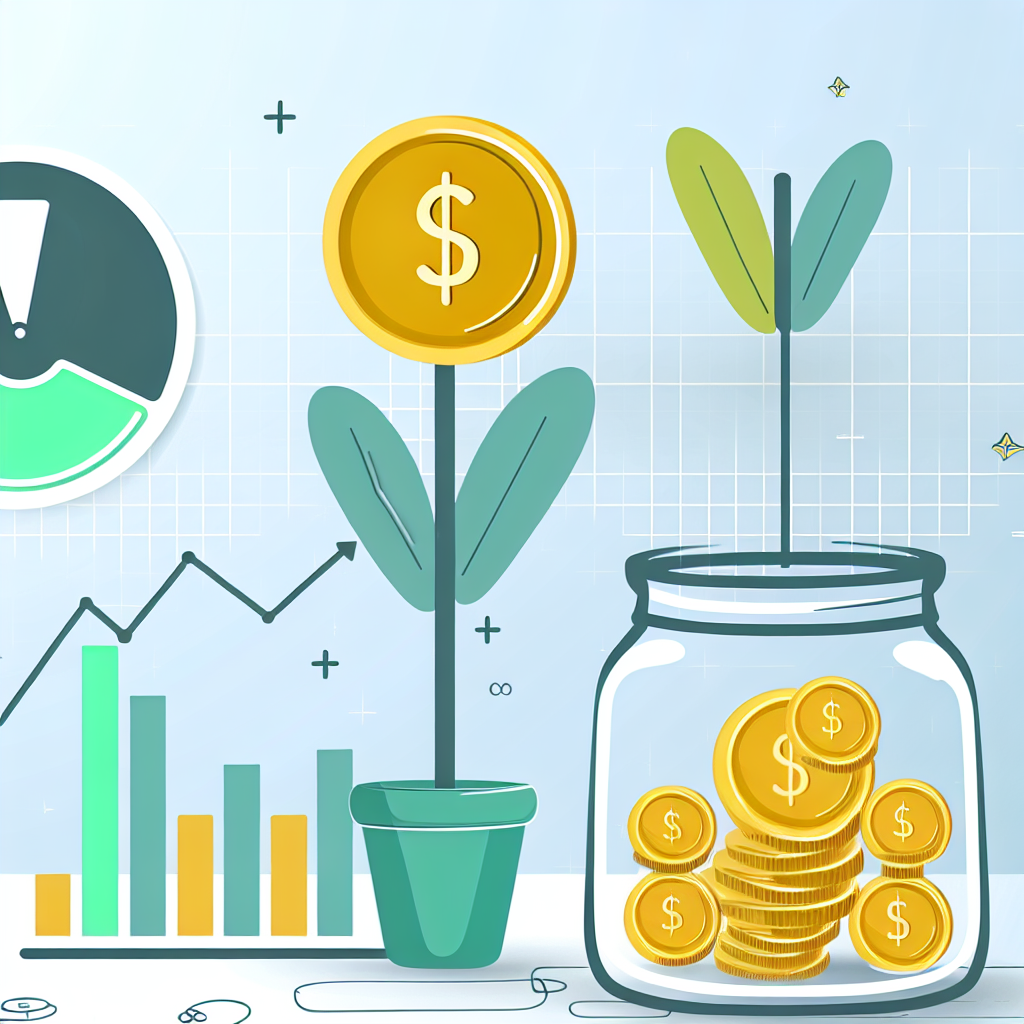
Start by tracking your monthly income, including salaries, side hustles, and any passive income streams. From there, categorize your expenses into fixed (rent, utilities, loan payments) and variable (entertainment, dining out, shopping) expenses. This categorization allows you to identify areas where you might cut back to increase your savings rate.
Additionally, evaluating any existing debts is crucial. High-interest debts can impede your ability to save effectively. It is often advisable to prioritize paying down these debts while simultaneously setting aside a small amount for savings. The balance between debt repayment and savings can be delicate, yet with careful planning, both can be achieved.
Crafting a Savings Plan
With a clear understanding of your goals and current financial situation, you can now craft a personalized savings plan. This plan should outline how much you intend to save each month and the methods you will use to achieve those savings. Typically, individuals find it beneficial to automate their savings to ensure consistency. Setting up automatic transfers from your checking account to a dedicated savings account can help you save effortlessly.
In addition to automating savings, consider exploring high-yield savings accounts or other investment vehicles that align with your risk tolerance and time horizon. While traditional savings accounts offer low interest rates, high-yield options can provide better returns, ultimately helping you reach your savings goals faster.
Another strategy is to leverage the concept of “paying yourself first.” This means prioritizing your savings by deducting your desired savings amount before addressing other expenses. This approach often leads to more disciplined spending habits, as you are forced to operate within the remaining budget.
Monitoring and Adjusting Your Strategy

Creating a savings strategy is not a one-time exercise; it requires ongoing monitoring and adjustments. Regularly reviewing your financial situation and progress towards your goals is essential to stay on track. This may involve checking your savings account balance, assessing your budget, and evaluating any changes in income or expenses.
As time progresses, it is common for financial goals to evolve. Life events such as marriage, children, or career changes can impact your financial priorities. Therefore, maintaining flexibility in your savings strategy is vital. If you find that you are consistently exceeding your savings goals, consider increasing your monthly contributions or diversifying your saving strategies further.
Additionally, it is important to remain informed about financial products and services that can enhance your savings. For example, some individuals may benefit from using budgeting apps that can track expenses and savings goals more effectively. Staying educated about personal finance trends can empower you to make informed decisions.
Cultivating a Savings Mindset
Finally, developing a savings mindset is crucial for the long-term success of your savings strategy. This mindset encompasses the understanding that saving is not just a financial activity; it is a lifestyle choice. Embracing the notion that every small contribution adds up over time can help maintain motivation.
Engaging in community resources, such as financial literacy workshops or online forums, can also reinforce a positive savings attitude. Connecting with others who share similar financial goals can provide encouragement and accountability.
In conclusion, effective savings strategies are rooted in clear goals, a thorough understanding of your financial situation, and a commitment to consistent monitoring and adaptation. By implementing these practices, individuals can create a sustainable savings plan that not only meets their financial goals but also cultivates a lifelong habit of financial wellness.