Understanding Debt Management
Tools and tips for managing debt successfully.
Debt management is a crucial aspect of personal finance that often goes overlooked until it becomes a significant source of stress. Many individuals find themselves in a complicated web of loans, credit card balances, and other financial obligations, which can lead to feelings of overwhelm and anxiety. Understanding how to navigate this landscape is essential not only for financial stability but also for peace of mind. This article will explore practical tools and strategies for managing debt effectively, focusing on actionable steps that can help reduce financial stress.
The Importance of Debt Management
Research indicates that effective debt management is vital for maintaining a healthy financial life. When debt is not managed properly, it can spiral out of control, leading to high-interest rates, late fees, and potential damage to credit scores. Evidence suggests that individuals with a clear understanding of their debt obligations and a structured plan are more likely to achieve financial stability. By prioritizing debt management, individuals can create a foundation for improving their overall financial health, allowing them to focus on building savings, investing, and achieving long-term goals.
Commonly, debt management involves assessing one’s financial situation, understanding the types of debt incurred, and developing a plan to pay it off. This process begins with a comprehensive evaluation of all existing debts, including credit cards, personal loans, and mortgages. By gaining a clear picture of total debt, individuals can better strategize their repayment efforts.
Creating a Debt Repayment Strategy
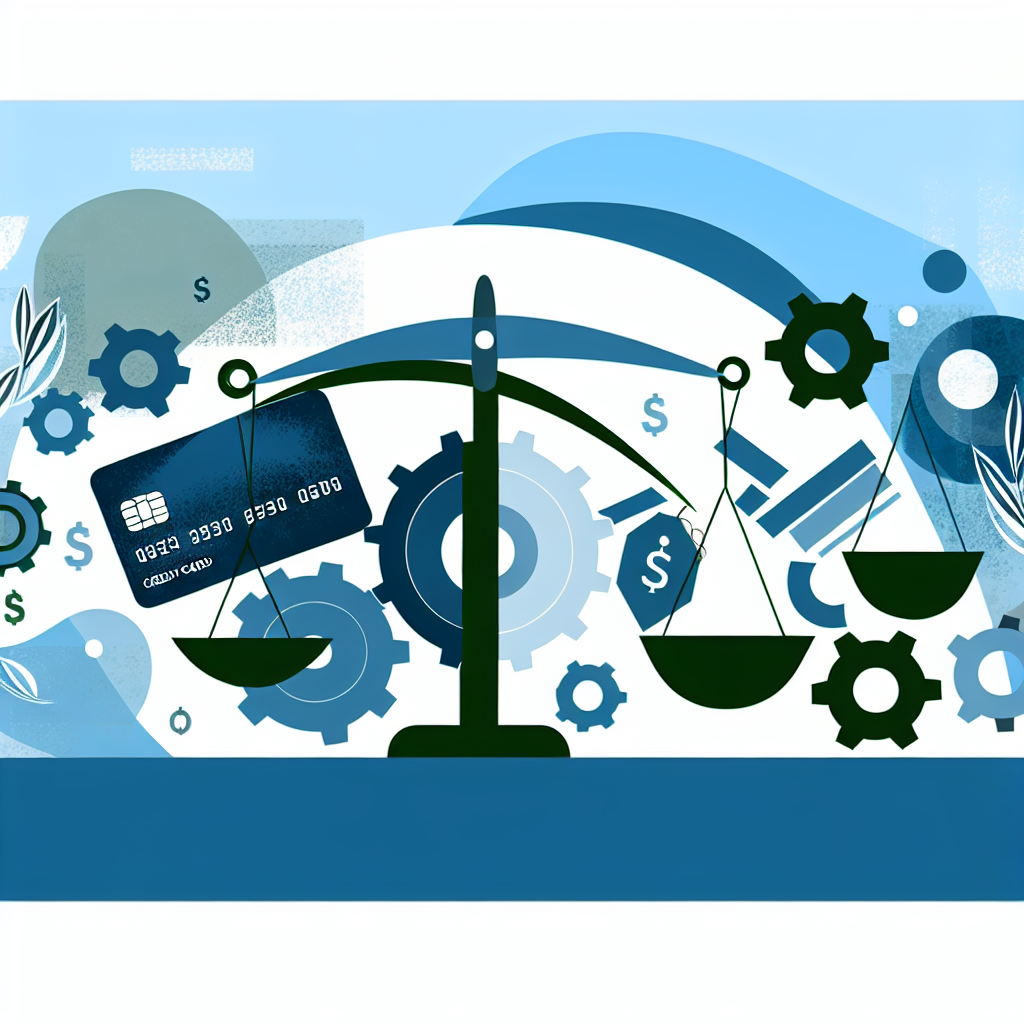
Developing a repayment strategy is a critical component of effective debt management. Typically, individuals can choose between various methods, such as the snowball or avalanche approach. The snowball method focuses on paying off the smallest debts first, which can provide quick wins and boost motivation. In contrast, the avalanche method prioritizes debts with the highest interest rates, potentially saving more money in the long run. Research suggests that the best method largely depends on personal preference and financial circumstances; therefore, individuals should select an approach that resonates with their financial goals and emotional needs.
Once a repayment method is chosen, it’s essential to create a realistic budget that accommodates regular debt payments. This involves tracking income and expenses to ensure that funds are allocated appropriately. Evidence suggests that a well-structured budget not only helps in managing debt but also fosters a deeper understanding of spending habits. By identifying areas where spending can be reduced, individuals can free up additional funds for debt repayment, thereby accelerating the process of becoming debt-free.
Utilizing Financial Tools and Resources
In today’s digital age, a variety of financial tools and resources are available to assist individuals in managing their debt. Numerous budgeting apps and financial software programs allow users to track expenses, set financial goals, and monitor debt repayment progress. These tools often provide valuable insights into spending patterns and can highlight areas where adjustments can be made. Evidence suggests that utilizing technology in financial management can lead to better outcomes, as it promotes accountability and provides real-time feedback.
Additionally, individuals may consider consulting with financial advisors or credit counseling services. These professionals can offer personalized guidance and help create tailored debt management plans. Research indicates that working with a knowledgeable expert can often lead to improved financial literacy and more effective debt management strategies. However, it’s essential to choose reputable services that prioritize the consumer’s best interests, as not all financial advice is created equal.
Building Financial Resilience
Debt management is not solely about repayment; it also involves building financial resilience to prevent future debt accumulation. Research indicates that establishing an emergency fund can be a crucial step in achieving this resilience. An emergency fund provides a safety net for unexpected expenses, reducing the likelihood of resorting to credit cards or loans during financial emergencies. Typically, financial experts recommend saving three to six months’ worth of living expenses, which can serve as a buffer against unforeseen financial challenges.
In addition to an emergency fund, cultivating healthy financial habits can significantly contribute to long-term debt management. Evidence suggests that consistent budgeting, regular financial check-ins, and ongoing education about personal finance can empower individuals to make informed decisions. By developing these habits, individuals can avoid falling into debt traps and maintain control over their financial futures.
Seeking Support and Community Resources
Navigating the complexities of debt management can be challenging, and seeking support is often a beneficial step. Many communities offer resources such as financial literacy workshops, support groups, and counseling services aimed at helping individuals better understand and manage their debts. Engaging with these resources can provide valuable insights, foster a sense of community, and reduce feelings of isolation that can accompany financial struggles.
Moreover, discussing financial challenges with trusted friends or family members can offer emotional support and accountability. Sharing experiences and strategies can create a collaborative environment where individuals can learn from one another and motivate each other to stay on track with their financial goals.