Common Mistakes in Credit Management
Avoiding pitfalls that can harm your credit score.
Managing credit effectively is crucial for anyone looking to maintain a healthy financial profile. Credit management not only influences your credit score but also impacts your ability to secure loans, mortgages, and even rental agreements. However, many individuals make common mistakes that can undermine their credit health. Understanding these pitfalls can empower consumers to make informed decisions that positively affect their financial future.
Ignoring Credit Reports
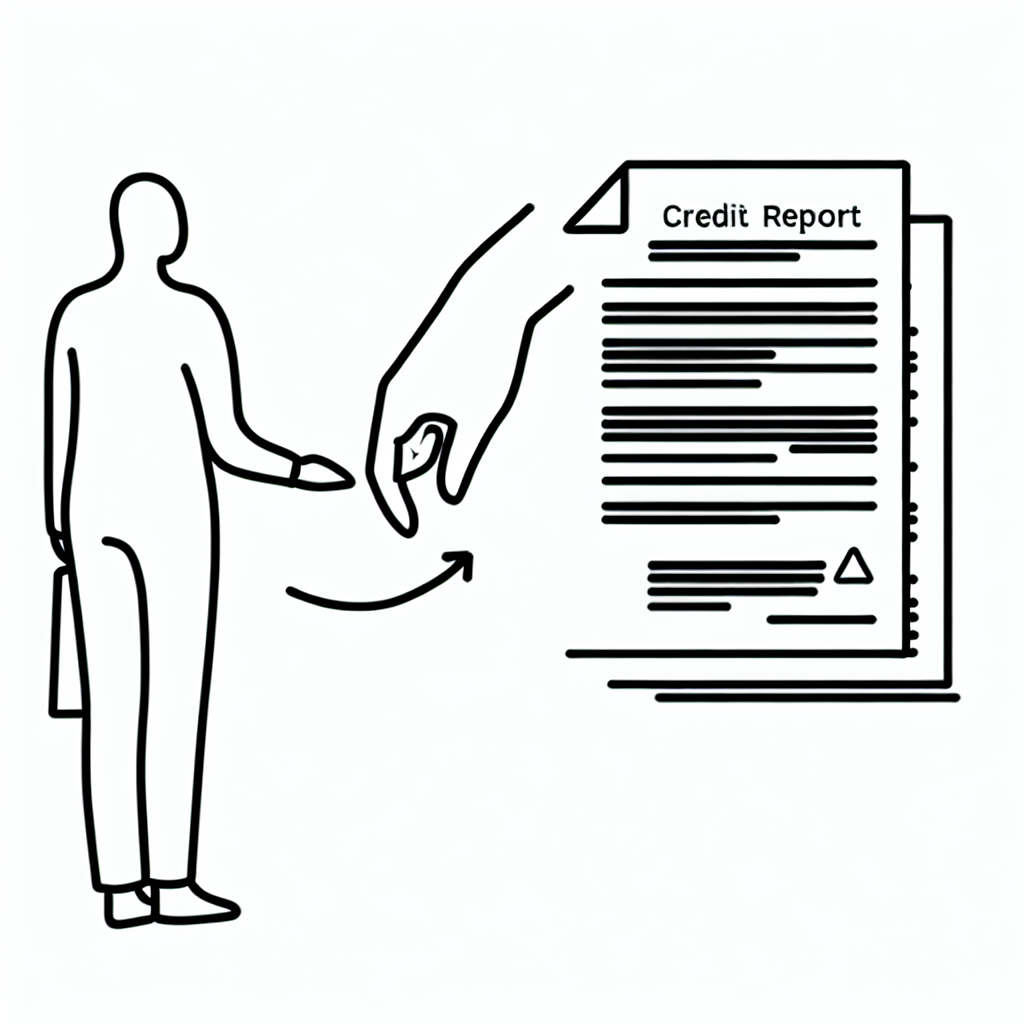
One of the most frequent missteps in credit management is neglecting to review credit reports regularly. Research indicates that many consumers are unaware of the importance of checking their credit reports, which can contain inaccuracies that negatively impact credit scores. Typically, individuals are entitled to one free credit report from each of the three major credit bureaus annually. Using this opportunity allows consumers to identify errors, such as incorrect account details or fraudulent activity, and dispute them promptly.
Moreover, monitoring your credit report helps in understanding how various factors affect your score. Factors like payment history, credit utilization, and the length of credit history all play significant roles. By staying informed, individuals can make strategic decisions, such as when to pay down debt or apply for new credit, to enhance their overall credit standing.
Misunderstanding Credit Utilization
Credit utilization is another area where many individuals falter. Commonly, people believe that they can maintain a good credit score by simply paying their bills on time, but evidence suggests that credit utilization also significantly influences credit scores. This ratio, which compares the amount of credit used to the total credit available, should ideally be kept below 30%. Exceeding this threshold can signal to lenders that an individual is overly reliant on credit, which may result in a lower credit score.
Consumers often make the mistake of thinking that closing unused credit accounts will improve their credit utilization ratio. In reality, closing accounts can lead to a higher utilization rate since it reduces the total available credit. Instead of closing accounts, it may be more beneficial to keep them open and use them sparingly, ensuring that the utilization ratio remains favorable.
Late Payments and Their Consequences
Timely payments are crucial for maintaining a good credit score, yet many individuals underestimate the repercussions of late payments. Evidence suggests that a single late payment can have a detrimental effect on one’s credit score, particularly if it is reported to the credit bureaus. Typically, payments that are more than 30 days late can cause significant damage to a credit profile, resulting in higher interest rates on future borrowing and potential difficulty in obtaining new credit.
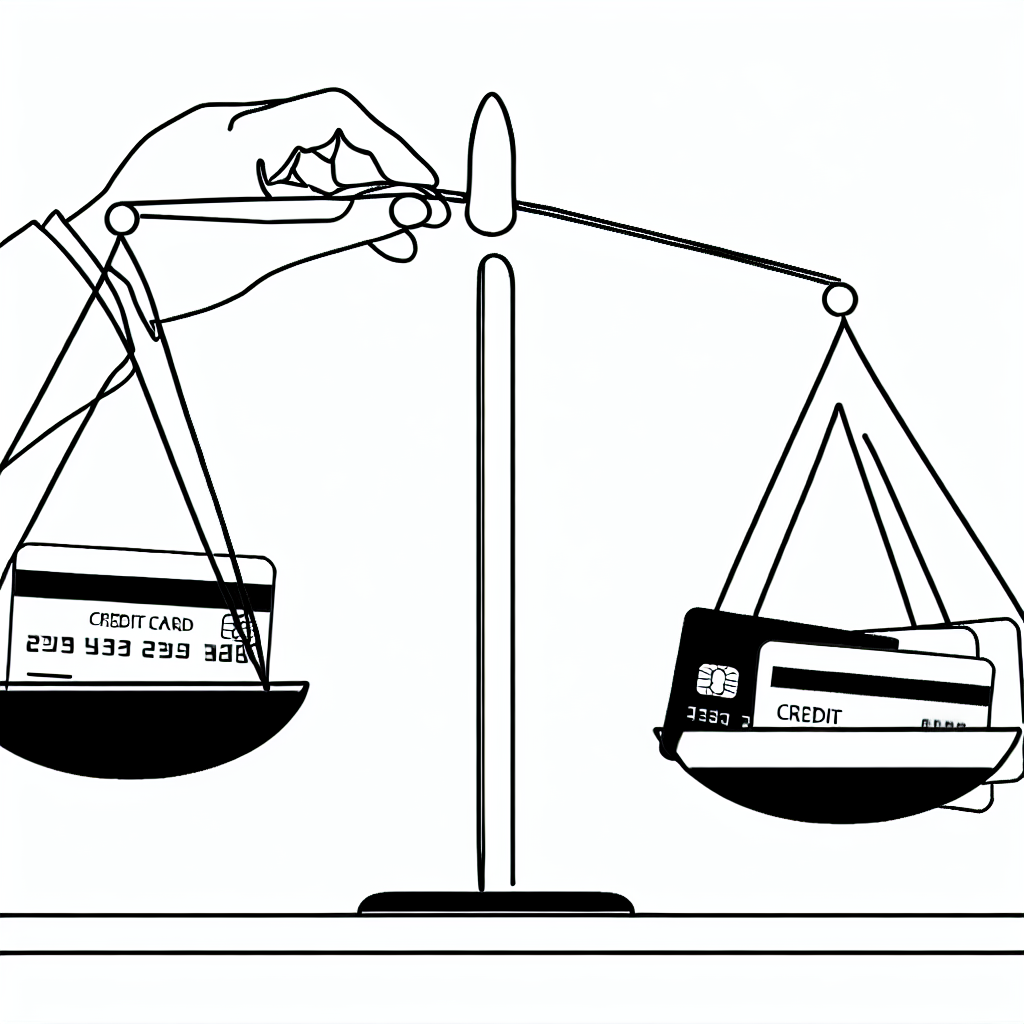
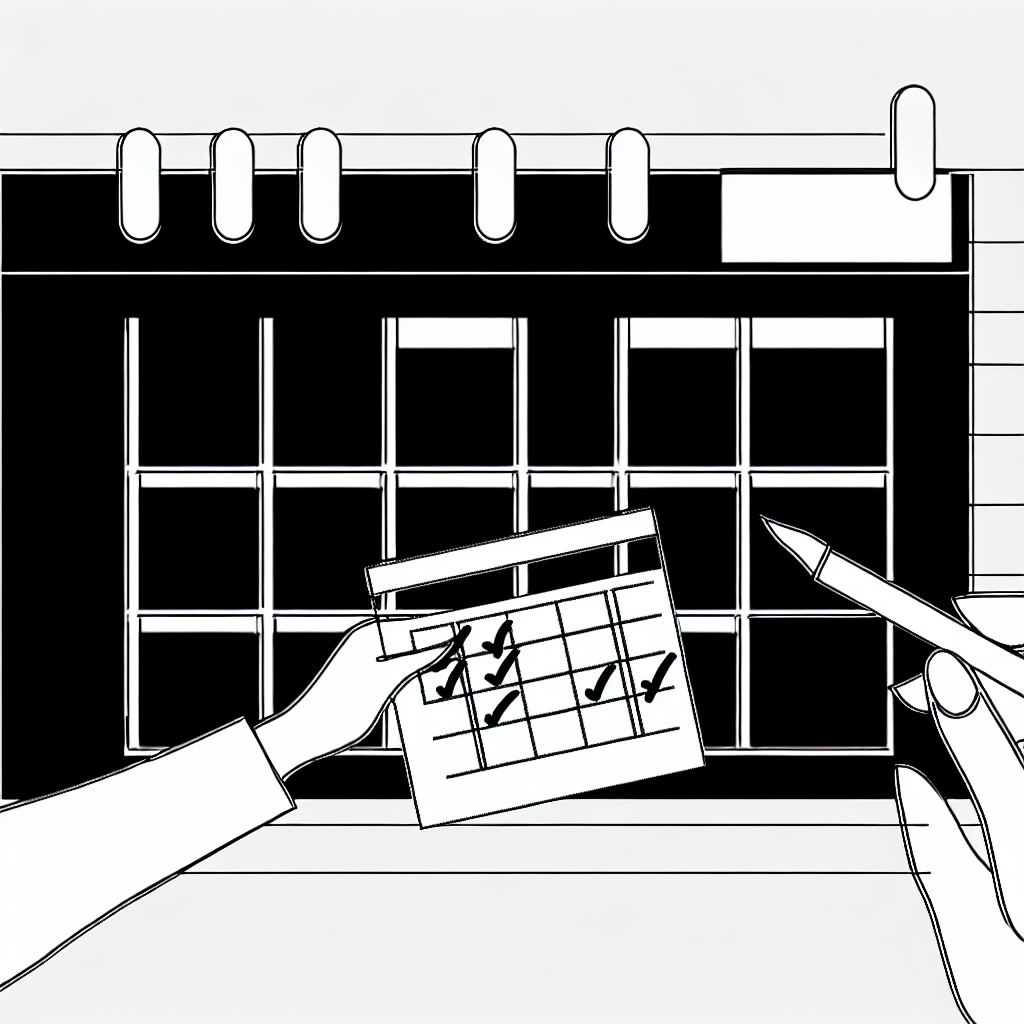
To mitigate the risk of late payments, individuals can adopt various strategies, such as setting up automatic payments or reminders. These practices can help ensure that payments are made on time. Additionally, creating a budget that prioritizes credit obligations is essential in maintaining a healthy credit standing and avoiding unnecessary pitfalls.
Overlooking the Impact of New Credit Applications
Another common mistake in credit management is failing to understand the implications of applying for new credit. When individuals apply for new credit, a hard inquiry is made on their credit report, which can temporarily lower their score. While having a diverse mix of credit types can be beneficial, excessive applications for new credit can signal to lenders that a consumer is financially unstable or overextending themselves.
It is advisable to approach new credit applications with caution. Research indicates that consumers should limit their applications and only pursue credit when necessary. Furthermore, shopping for loans within a short period can minimize the impact of multiple inquiries on the credit score, as credit scoring models typically treat such inquiries as a single event.
Failing to Understand the Long-Term Effects of Debt
Lastly, many individuals do not fully grasp the long-term effects of accruing debt, particularly when it comes to revolving credit lines. Research indicates that carrying high balances on credit cards can not only increase monthly payments but also lead to a cycle of debt that is difficult to escape. The higher the debt, the more potential there is for missed payments, which can further harm credit scores.
It is crucial for individuals to recognize the importance of managing debt effectively. Creating a plan to pay down existing balances and avoiding unnecessary charges can lead to a healthier financial profile. Additionally, seeking professional advice on debt management can provide valuable insights for those struggling to regain control of their finances.