Consumer Rights in Financial Transactions
Navigating your rights during financial dealings.
Understanding consumer rights in financial transactions is crucial for individuals seeking to protect themselves during their financial dealings. These rights serve as a safeguard, ensuring that consumers are treated fairly and that their interests are taken into account in various financial activities, from banking to credit agreements. With the landscape of finance becoming more complex, it is essential for consumers to be aware of these rights and the protections available to them.

Consumer rights typically encompass various aspects of financial transactions, including transparency, fairness, and the right to seek redress. They are designed to create a level playing field between consumers and financial institutions, which often wield significant power in their dealings. Awareness of these rights not only empowers consumers but also encourages financial institutions to uphold ethical practices.
Understanding Your Rights
At the core of consumer rights in financial transactions is the principle of transparency. Financial institutions are generally required to provide clear and concise information regarding their products and services. This includes details about fees, interest rates, and terms of agreements. Evidence suggests that when consumers are well-informed, they are better equipped to make choices that align with their financial needs and goals.
Additionally, consumers are entitled to fair treatment. This means that financial institutions should not engage in deceptive practices or misrepresentations. For instance, if a lender advertises a particular rate or fee, they are obligated to honor that information in practice. When discrepancies arise, consumers have the right to lodge complaints and seek remedies, which can include refunds or adjustments to terms.
Another critical aspect of consumer rights is the right to privacy. Individuals have the right to have their personal information handled securely and to be informed about how their data will be used. Financial institutions must adhere to regulations that protect consumer data, ensuring that sensitive information is not exploited or disclosed without consent. These protections are particularly vital in an age where data breaches and identity theft are prevalent concerns.
Legal Protections and Regulations
Consumer rights are supported by various laws and regulations that vary by jurisdiction. For example, in the United States, the Truth in Lending Act (TILA) mandates that lenders provide clear information about the costs of borrowing, allowing consumers to make informed decisions. Similarly, the Fair Credit Reporting Act (FCRA) ensures that consumers have the right to access their credit reports and dispute inaccuracies.
In addition to federal laws, many states have enacted their own consumer protection statutes. These laws often provide additional safeguards for individuals, such as the right to cancel certain contracts within a specified period or the right to seek damages in cases of unfair or deceptive practices. It is essential for consumers to familiarize themselves with both federal and state regulations that apply to their financial transactions, as these can significantly impact their rights and available remedies.
Consumers also benefit from various regulatory bodies that oversee financial practices. For instance, the Consumer Financial Protection Bureau (CFPB) in the U.S. plays a vital role in enforcing consumer protection laws and ensuring that financial institutions comply with regulations. They provide resources for consumers to understand their rights and offer avenues for filing complaints against institutions that violate these rights.

The Role of Financial Institutions
Financial institutions have a responsibility to educate their customers about their rights and to create an environment that fosters trust and transparency. Many institutions have implemented customer service programs aimed at helping consumers understand financial products and navigate complex agreements. Research indicates that institutions that prioritize consumer education not only enhance customer satisfaction but also reduce the likelihood of disputes and complaints.
Moreover, financial institutions are increasingly being held accountable for their practices, particularly in light of high-profile scandals that have eroded public trust. As a result, many have adopted more stringent compliance measures to ensure adherence to consumer protection laws. This shift reflects a broader trend within the financial industry to prioritize ethical practices and consumer well-being.
However, consumers must remain proactive in advocating for their rights. Engaging with financial institutions, asking questions, and seeking clarification on terms is essential for ensuring that rights are recognized and upheld. Establishing a dialogue with financial representatives can often lead to better understanding and resolution of potential issues.
Seeking Redress and Resolution
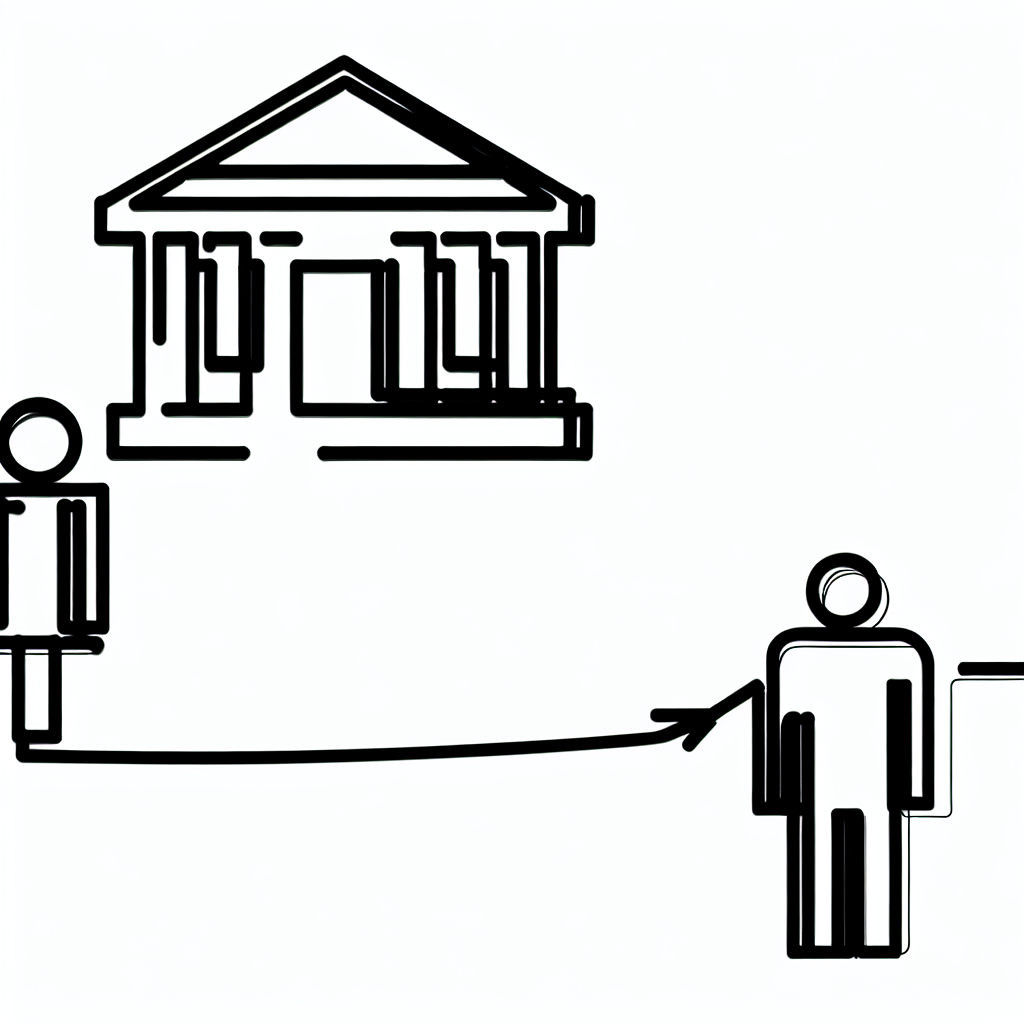
When consumers believe their rights have been violated, it is crucial to know the steps to take in seeking redress. Most financial institutions have established complaint resolution processes that allow consumers to address grievances directly. This can involve submitting a complaint through the institution’s website, contacting customer service, or utilizing mediation services offered by regulatory bodies.
If a resolution is not achieved through direct communication, consumers may consider escalating the matter. This can involve filing a complaint with a regulatory agency or seeking legal advice. Evidence suggests that many consumers are unaware of their ability to pursue legal action in cases of significant violations of their rights. Consulting with a consumer rights attorney can provide valuable guidance on how to navigate these situations effectively.
Additionally, consumer advocacy organizations often provide resources and support to individuals seeking justice. They may offer educational materials, legal assistance, or even represent consumers in disputes against financial institutions. Engaging with these organizations can empower consumers to take action and assert their rights more confidently.