Navigating Financial Policy Changes
Understanding the impact of policy updates on personal finance.
The landscape of personal finance is constantly evolving, influenced by a myriad of factors including economic conditions, governmental decisions, and societal trends. Recent financial policy changes have the potential to significantly impact individuals’ budgeting strategies and credit management practices. Understanding these changes is essential for anyone looking to maintain financial health in a shifting environment.

This article explores critical updates in financial policy, their implications for personal budgeting, and effective strategies for credit management amidst these changes. By examining these elements, individuals can better navigate the complexities of their financial lives.
The Role of Financial Policy in Personal Finance
Financial policies, often enacted by governments and regulatory bodies, serve to stabilize economies and protect consumers. These policies can include changes in interest rates, credit regulations, and fiscal measures that influence inflation and employment. For instance, when central banks adjust interest rates, it can affect borrowing costs, impacting consumer behavior in budgeting and spending.
Research indicates that shifts in financial policy can lead to changes in consumer confidence. When interest rates are lowered, borrowing becomes cheaper, which may encourage spending and investment. Conversely, higher interest rates typically result in increased costs for loans and mortgages, prompting individuals to reassess their budgets. It’s crucial for consumers to stay informed about these policy changes, as they can directly affect financial decision-making.
Moreover, financial policies also address consumer protection laws, which are designed to shield individuals from predatory lending practices and ensure fair treatment in credit transactions. Understanding these protections allows individuals to make informed choices about their financial products, contributing to better management of personal finances.
Impacts on Personal Budgeting Strategies
In light of recent policy changes, individuals may find it necessary to revisit and revise their budgeting strategies. With the potential for fluctuating interest rates and varying credit availability, adapting one’s budget can be crucial for maintaining financial stability. For example, if interest rates rise, consumers may need to allocate more funds toward debt repayment, thus impacting their discretionary spending.
Evidence suggests that individuals who regularly review their budgets are more likely to achieve their financial goals. By taking a proactive approach, individuals can identify areas where adjustments are necessary, ensuring they remain resilient against economic fluctuations. This may involve tracking expenses more closely, reducing non-essential spending, or reallocating funds toward savings or debt repayment.
Furthermore, the introduction of new financial products or changes in existing ones can create opportunities for better budgeting. For instance, many financial institutions are now offering tools and resources that help consumers manage their finances more effectively. Utilizing these tools can provide insights into spending patterns and highlight areas for improvement in budgeting practices.

Credit Management in a Changing Landscape
As financial policies evolve, so too do the best practices for managing credit. A critical aspect of personal finance is understanding how changes in credit regulations can affect credit scores and borrowing capacity. Recent policy updates may introduce new criteria for creditworthiness, which can influence how lenders assess potential borrowers.
Typically, maintaining a good credit score is essential for securing favorable loan terms. In an environment of shifting regulations, individuals should remain vigilant about their credit reports and scores. Regularly checking these reports can help identify discrepancies or issues that may arise due to policy changes. Moreover, consumers should understand the factors that influence their credit scores, such as payment history, credit utilization, and the length of credit history.
Research indicates that consumers who actively manage their credit are often more successful in achieving financial goals. This includes making timely payments, keeping credit utilization low, and avoiding unnecessary new credit inquiries. By adopting responsible credit management practices, individuals can navigate the complexities of changing financial policies while maintaining a healthy credit profile.
Preparing for Future Policy Changes
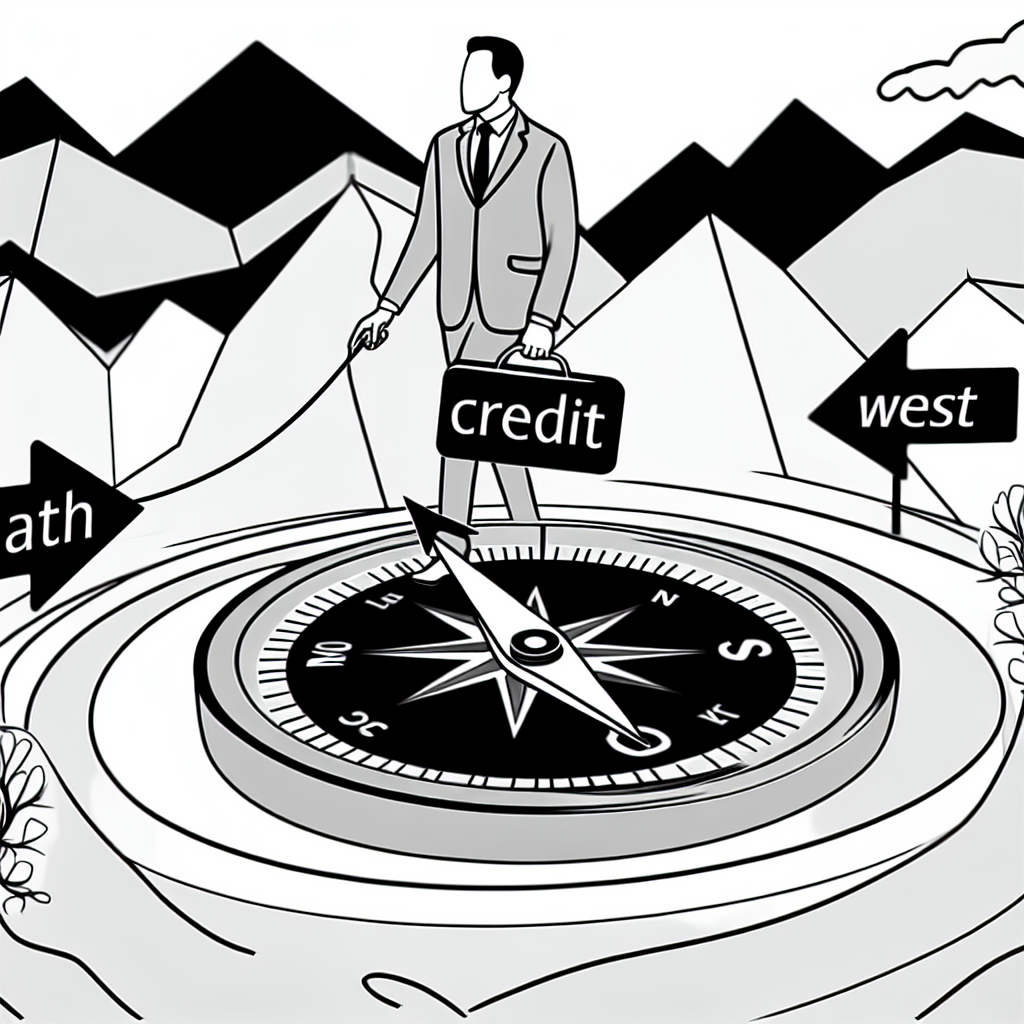
In a dynamic financial environment, being prepared for future policy changes is key to effective personal finance management. Staying informed about potential changes in financial regulations can empower individuals to make proactive decisions. This may involve following economic news, engaging with financial education resources, or consulting with financial advisors.
Additionally, individuals should consider building a financial buffer, such as an emergency fund, to cushion against unexpected expenses that may arise from policy shifts. This fund can provide a safety net during periods of economic uncertainty, allowing individuals to manage their finances without significant stress.
Furthermore, fostering financial literacy is crucial. Understanding the broader implications of financial policy enables individuals to make informed choices that align with their unique circumstances and goals. As policies continue to evolve, those who invest time in educating themselves about personal finance will likely find themselves in a better position to adjust their strategies effectively.