Understanding the Benefits of Budgeting Tools
Exploring how budgeting tools can enhance financial management.
In today’s fast-paced financial landscape, managing personal finances effectively is more crucial than ever. Budgeting tools have emerged as essential instruments for individuals seeking to gain control over their financial lives. These tools help users track spending, set financial goals, and develop sustainable habits that promote financial health. By leveraging technology, individuals can access an array of budgeting solutions tailored to various needs, making the task of financial management more accessible and efficient.
The complexity of financial decision-making can often feel overwhelming, particularly for those new to budgeting. However, budgeting tools simplify this process, providing a structured approach to managing income and expenses. From mobile applications to software programs, these tools empower users to create comprehensive budgets that reflect their unique financial situations. As we explore the myriad benefits of budgeting tools, it becomes evident how they can significantly enhance financial management for individuals and families alike.
Types of Budgeting Tools
Budgeting tools come in various forms, each designed to cater to different preferences and financial situations. Mobile applications are among the most popular options, offering users the convenience of tracking their finances on the go. Applications such as Mint and YNAB (You Need a Budget) allow users to link their bank accounts, categorize expenses, and monitor spending in real-time. This instant access to financial data is invaluable, providing insights that help users adjust their spending habits promptly.
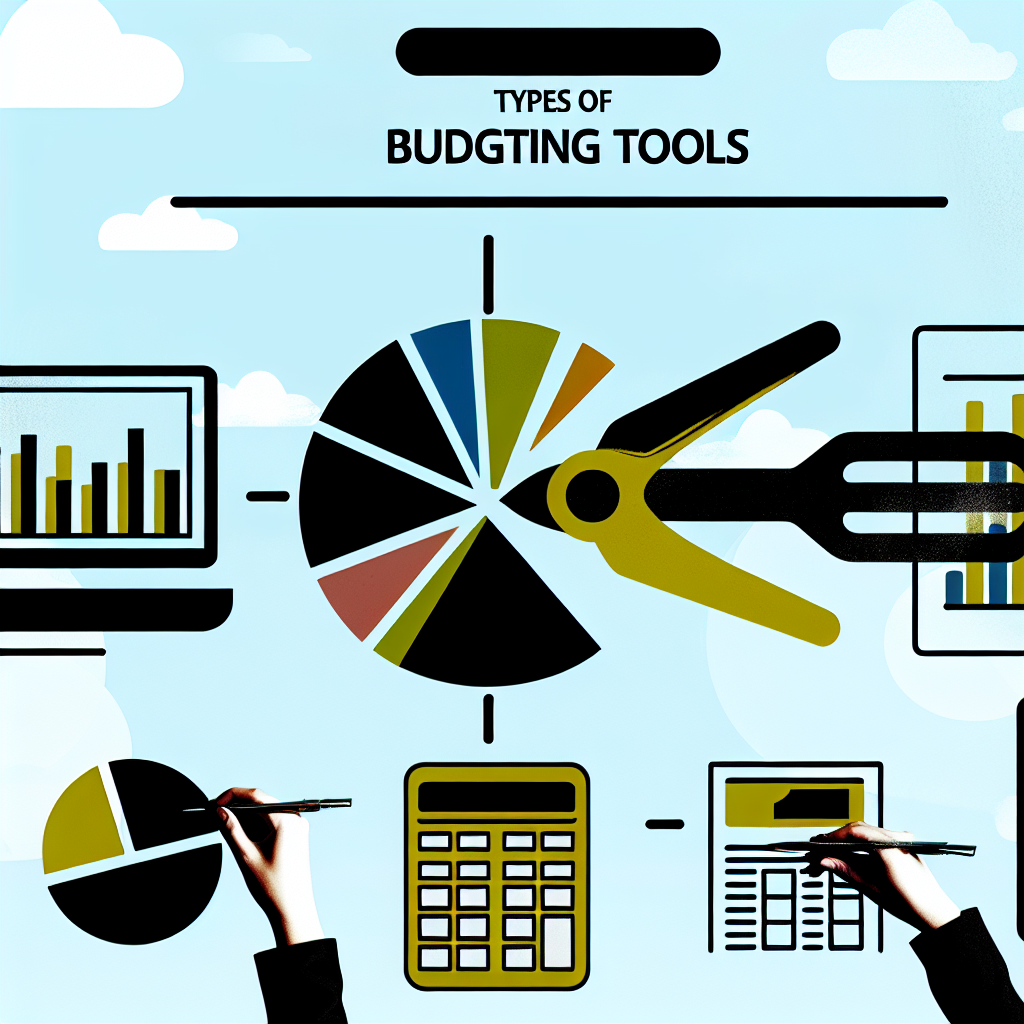
On the other hand, there are desktop software solutions that cater to individuals who prefer a more in-depth analysis of their finances. Programs like Quicken allow for detailed tracking of income, expenses, and investments, making it easier to manage multiple financial accounts in one place. These tools often include features such as forecasting future expenses and generating reports, which can aid users in making informed financial decisions. The choice between mobile apps and desktop software largely depends on personal preferences, with both offering distinct advantages for effective budgeting.
Advantages of Using Budgeting Tools
The primary advantage of incorporating budgeting tools into financial management is the enhanced visibility they provide. By tracking income and expenses diligently, users can identify spending patterns and areas where they may be overspending. This level of transparency is crucial for making informed decisions about where to cut back and how to allocate resources more effectively. Research indicates that individuals who track their spending are often more aware of their financial habits, leading to improved budgeting outcomes.
Additionally, many budgeting tools offer goal-setting features that encourage users to establish and pursue financial objectives. Whether it’s saving for a vacation, paying off debt, or building an emergency fund, these platforms can help users set realistic targets and monitor their progress. Evidence suggests that having specific financial goals increases motivation and accountability, making it more likely for users to stick to their budgets. The combination of tracking and goal-setting fosters a proactive approach to financial management, empowering users to take charge of their financial futures.
Overcoming Common Budgeting Challenges
Despite the numerous benefits of budgeting tools, many individuals still struggle with budgeting due to common challenges such as lack of discipline or motivation. Budgeting tools can help mitigate these issues by providing reminders and alerts for upcoming bills or spending limits. This functionality ensures that users remain aware of their financial commitments and encourages timely payments, which can help maintain a positive credit score.
Furthermore, many budgeting tools incorporate educational resources that teach users about financial literacy and responsible spending habits. By enhancing users’ knowledge of personal finance, these tools can reduce anxiety and build confidence in managing money. Many programs also offer community forums or support groups, allowing users to share experiences and learn from one another. This sense of community can be an invaluable resource for those looking to improve their financial management skills.
The Future of Budgeting Tools
As technology continues to advance, the future of budgeting tools looks promising. Innovations such as artificial intelligence and machine learning are beginning to play a role in personal finance management, allowing tools to offer tailored recommendations based on users’ spending habits. For instance, AI-driven budgeting apps can analyze patterns and suggest personalized strategies to help users reach their financial goals more effectively.
Moreover, as more individuals recognize the importance of financial wellness, the demand for budgeting tools is expected to grow. Financial institutions and tech companies are likely to continue developing intuitive solutions that address the evolving needs of consumers. This trend indicates a future where budgeting tools become even more sophisticated, accessible, and integral to everyday financial management.