Safer Defaults for Your Financial Choices
Making wiser decisions with default settings.
In an increasingly complex financial landscape, the choices we make regarding our money can significantly influence our financial well-being. One often-overlooked aspect of decision-making in finance is the role of default options. Default settings are the pre-selected choices in financial products and services that can subtly steer individuals toward certain outcomes. This article explores the impact of these defaults on financial choices and emphasizes the importance of selecting safer alternatives that align with one’s financial goals.

The Power of Defaults in Financial Decision-Making
Defaults are powerful tools that can shape behavior and decision-making without requiring active engagement. Behavioral economics research suggests that people tend to stick with default options due to factors such as inertia, cognitive overload, and a lack of information. For instance, when enrolling in a retirement savings plan, employees may remain in the default contribution rate set by their employers rather than actively choosing to opt-in or adjust their contributions. This phenomenon can lead to suboptimal financial outcomes, as individuals may miss out on maximizing their savings potential.
Moreover, defaults can also influence the types of financial products people choose. When financial institutions present certain products as default options—such as higher-interest loans or less favorable terms—customers might unwittingly select these options without fully understanding the implications. Research indicates that individuals often lack the motivation or knowledge to evaluate all available alternatives, allowing less favorable defaults to dictate their financial paths.
The Risks of Default Options
While defaults can serve a practical purpose by simplifying complex decisions, they can also pose significant risks. For example, a default option that includes automatic enrollments in high-fee investment accounts can erode savings over time. Similarly, individuals who default into credit cards with high-interest rates might find themselves in a cycle of debt, making it challenging to regain control of their finances. These scenarios highlight the necessity of closely examining default options and understanding their potential consequences.
Additionally, defaults may not always align with an individual’s unique financial situation or goals. For instance, a default savings plan might not be suitable for someone facing immediate financial challenges. Consumers need to recognize that while defaults can facilitate decision-making, they do not substitute for personalized financial planning. The risk of complacency in choosing defaults can lead to missed opportunities for better financial outcomes.
Selecting Safer Defaults

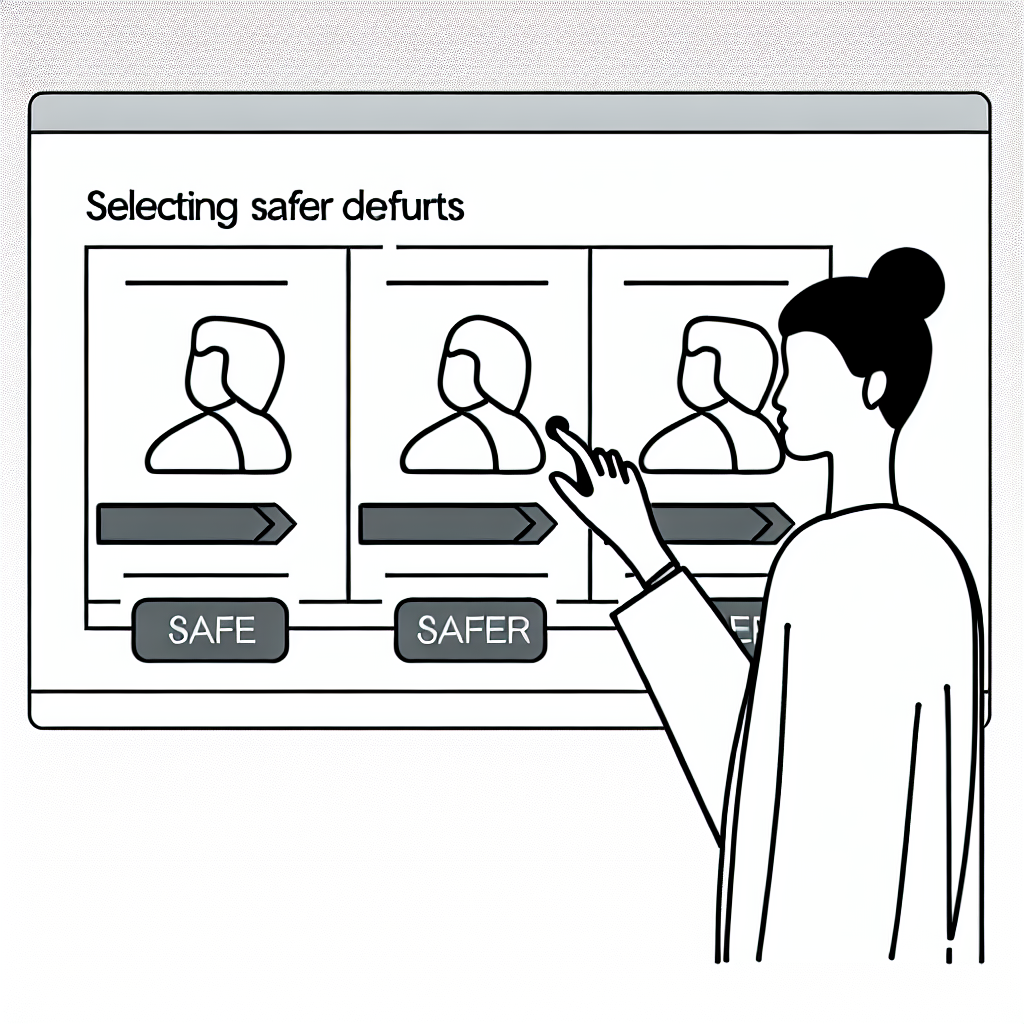
To navigate the complexities of financial defaults, individuals can adopt several strategies aimed at promoting safer choices. One effective approach is to actively seek out information regarding available options. Understanding the differences between products, such as comparing fees, interest rates, and terms, can empower consumers to make informed decisions rather than relying solely on defaults. Financial literacy plays a critical role in this process, as greater knowledge can lead to more thoughtful decision-making.
Another strategy is to advocate for better defaults in financial products. Consumers can engage with financial institutions by expressing their preferences for more favorable options, such as lower fees or higher interest rates on savings accounts. By collectively pushing for changes in default settings, individuals can influence the market toward more consumer-friendly practices. Additionally, governments and regulatory bodies can play a pivotal role in establishing standards that promote safer defaults across financial products, ensuring that consumers are offered better choices.
The Role of Technology in Default Settings
Technology has transformed the way consumers interact with financial products, providing new tools that can help individuals take control of their financial decisions. Many fintech companies are now emerging with platforms designed to enhance transparency and simplify the process of selecting financial options. These tools often allow users to customize their preferences, leading to more personalized defaults that align with their financial goals.
For example, budgeting apps can help individuals automate savings or investments by allowing them to set their own default parameters based on their income and expenditure patterns. This technological advancement ensures that consumers are not merely accepting predetermined defaults but are actively engaging in the management of their finances. As these tools continue to evolve, they hold the potential to promote greater financial literacy and empower users to make safer choices.
Conclusion
The impact of default options on financial decision-making cannot be overstated. While they can simplify complex choices, defaults can also lead to unintended consequences that may not serve an individual’s best interests. As consumers navigate their financial journeys, it is essential to remain vigilant about the defaults they encounter and to actively seek safer alternatives that align with their goals. By fostering financial literacy and advocating for better defaults, individuals can take charge of their financial futures and make wiser decisions that promote long-term well-being.