Common Budgeting Mistakes to Avoid
Identifying pitfalls in your budgeting strategy.
In the realm of personal finance, budgeting serves as the cornerstone for effective money management. However, many individuals encounter pitfalls that can undermine their budgeting efforts, leading to financial stress and missed goals. Understanding common budgeting mistakes is crucial for anyone looking to enhance their financial health. This guide delves into these frequent errors and offers strategies to circumvent them, fostering a more robust budgeting approach.

Underestimating Expenses
A notable error many individuals make is underestimating their expenses. While it may seem straightforward to calculate monthly bills and discretionary spending, many overlook variable costs such as groceries, maintenance, and unforeseen medical expenses. Research suggests that people often rely on outdated spending habits without adjusting for current lifestyle changes, leading to a budget that does not accurately reflect reality.
To combat this, individuals should engage in a thorough review of their spending patterns over the past few months. Tracking all expenses, including those that occur sporadically, can provide a clearer picture of financial obligations. This comprehensive approach allows for a more realistic budget that accommodates both fixed and variable costs, reducing the likelihood of financial surprises that can derail one’s budgeting efforts.
Neglecting Savings Goals
Another common oversight is the neglect of savings goals within the budget. Many individuals create a budget focused solely on expenditures without allocating funds for savings or emergency funds. Evidence suggests that failing to prioritize savings can lead to a cycle of financial insecurity, particularly in the face of unexpected expenses or economic downturns.
Incorporating savings as a non-negotiable category within the budget is essential. This can involve setting specific savings goals, whether for short-term objectives like vacations or long-term aspirations such as retirement. By treating savings like any other expense, individuals can build a financial cushion that enhances their overall security and promotes healthier financial habits.
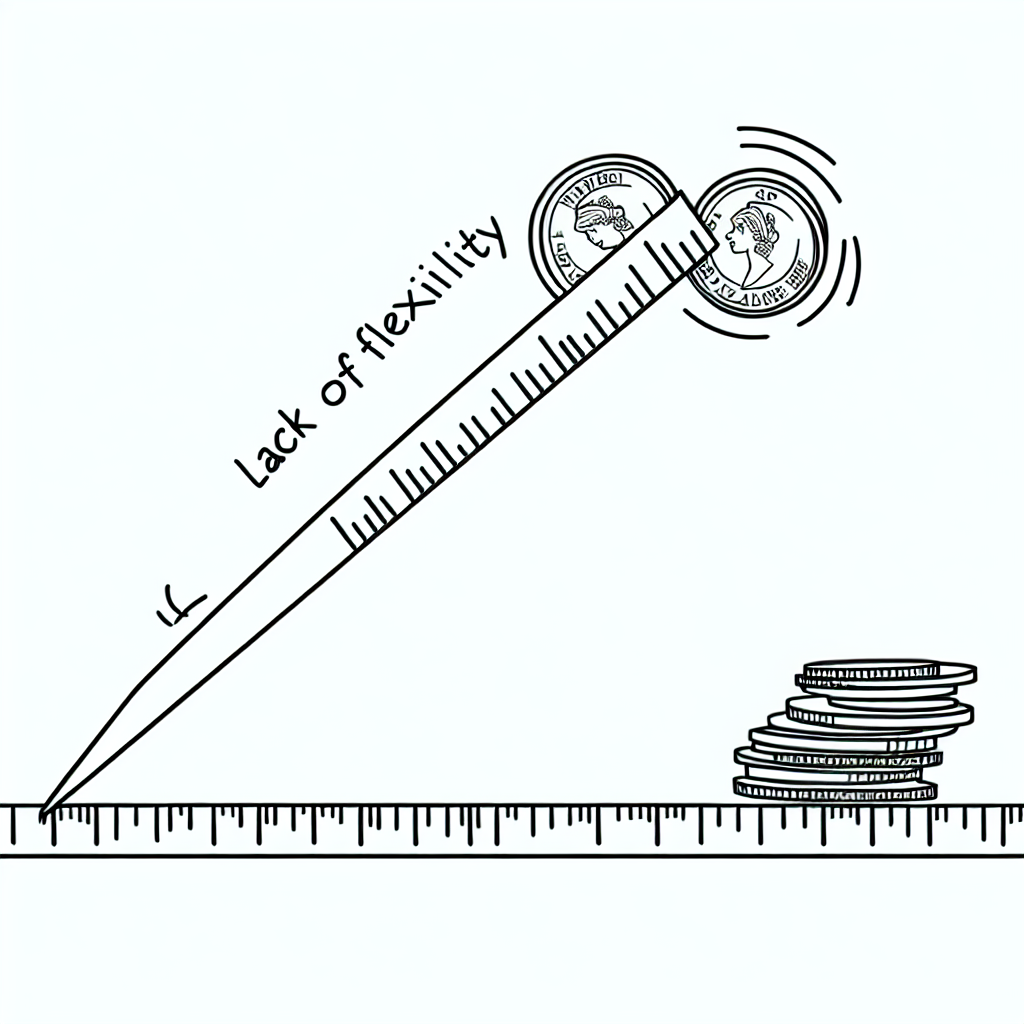
Lack of Flexibility
Budgeting should be a dynamic process rather than a rigid framework. Many individuals create strict budgets that leave little room for flexibility, which can be detrimental in the face of life’s unpredictability. Situations such as sudden job changes, health issues, or even seasonal expenses can disrupt even the most well-planned budgets. Research indicates that a lack of flexibility can lead to frustration and a sense of failure, which may result in abandoning the budgeting process altogether.

To avoid this mistake, it is advisable to regularly review and adjust the budget according to changing circumstances. Establishing a buffer within categories allows for unexpected expenses without derailing the entire budget. This flexibility not only makes budgeting more manageable but also helps maintain motivation and commitment to financial goals.
Ignoring the Importance of Tracking Progress
Many individuals create budgets but fail to track their progress against those budgets. This oversight can lead to a disconnect between planned spending and actual spending, making it difficult to identify areas for improvement. Evidence suggests that actively monitoring one’s financial situation encourages accountability and promotes better financial decisions.
Implementing a method for tracking expenses—whether through digital tools or traditional spreadsheets—can significantly enhance budgeting effectiveness. Regularly reviewing spending against the budget allows individuals to identify trends, recognize overspending, and make informed adjustments. This ongoing evaluation fosters a proactive approach to financial management, helping individuals stay aligned with their budgeting goals.
Overcomplicating the Budgeting Process
Lastly, a common mistake in budgeting is overcomplicating the process. Individuals may feel overwhelmed by the intricacies of financial planning, leading to frustration and eventual abandonment of their budgeting efforts. Complicated systems can result in confusion and make it challenging to adhere to a budget consistently.
To create a more effective budgeting strategy, simplicity is key. Establishing a straightforward budget that categorizes essential expenses, discretionary spending, and savings can make the process more accessible. This approach allows individuals to focus on what matters most without becoming bogged down by unnecessary details. A simple budgeting framework encourages adherence and can lead to more sustainable financial habits over time.